Date 07.04.2025
Department of Political Science
Subject: Field Visit Report: Study Tour to Maredumilli Organized by the Department of Political Science (BA EHP & PP)
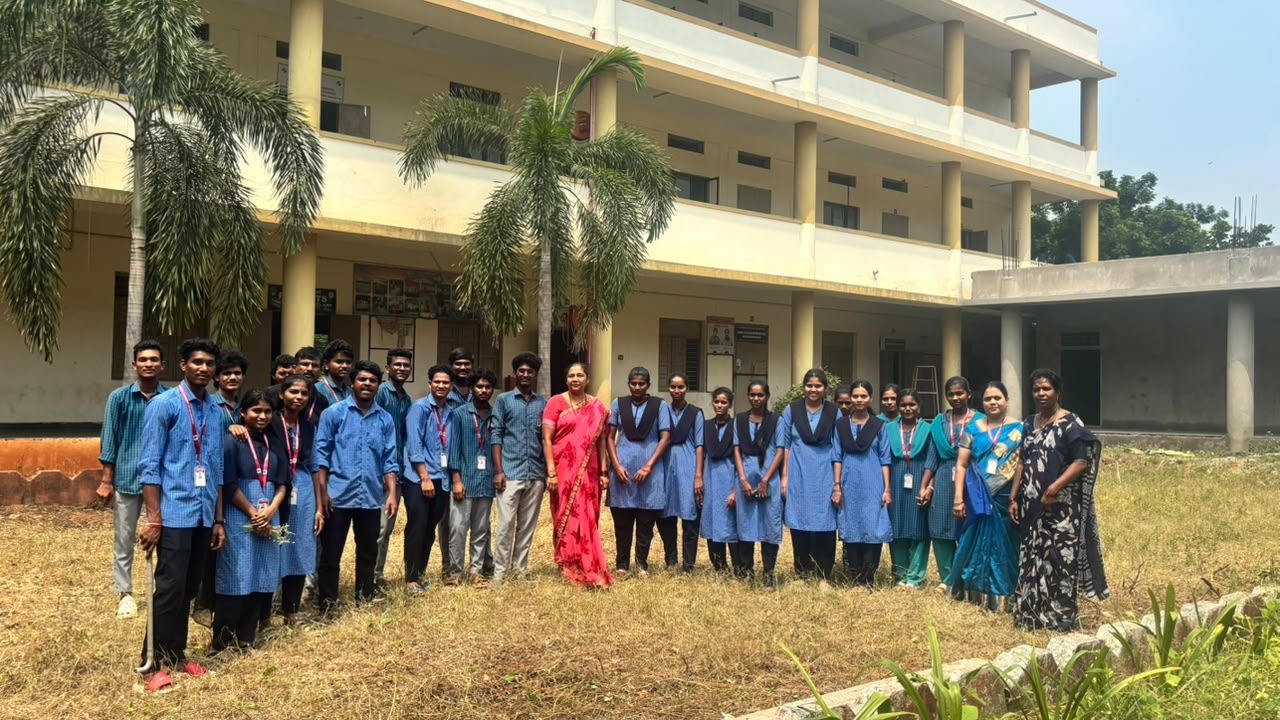
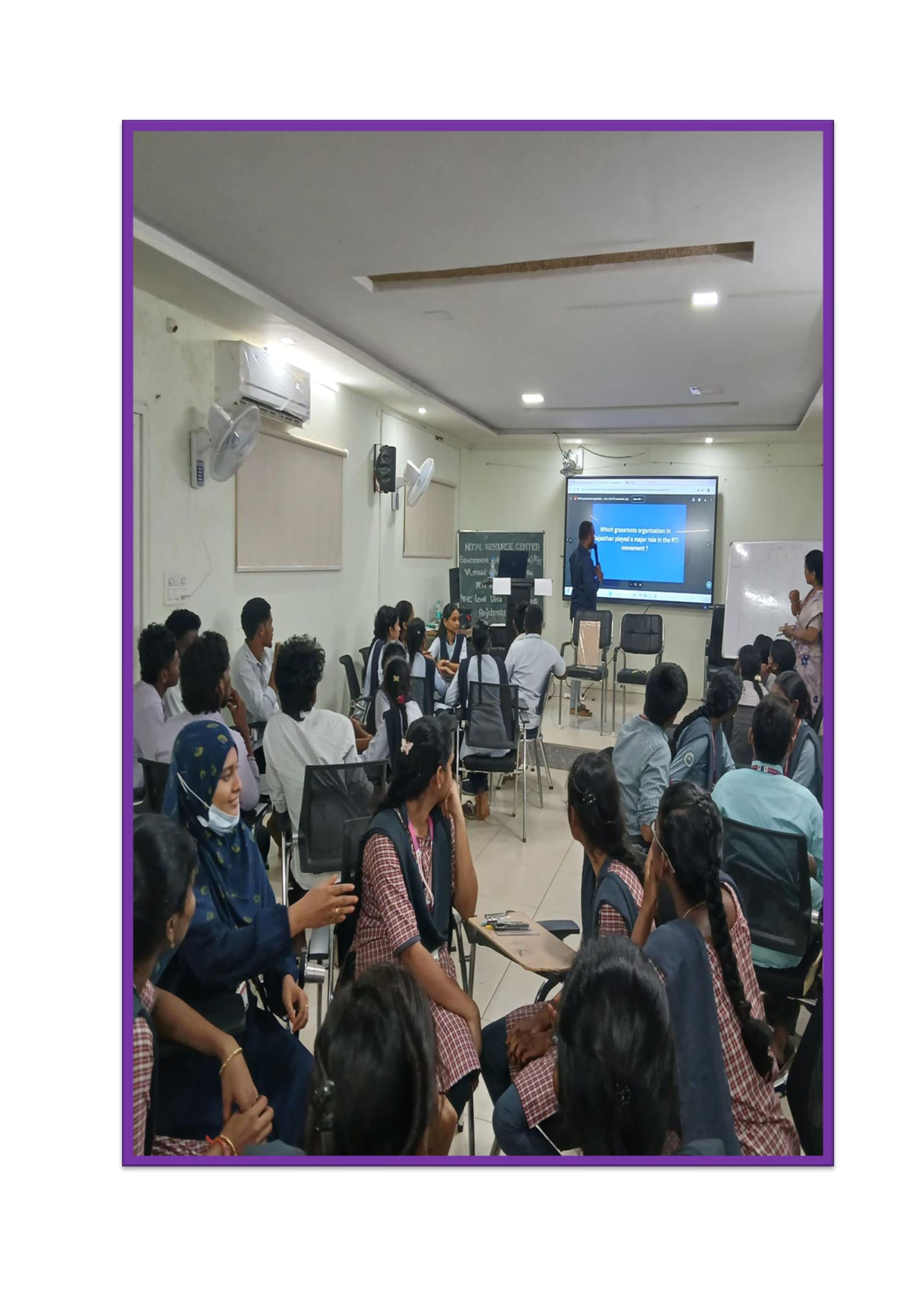
The Department of Political Science, Government Arts College, Rajahmundry, organized an educational field visit to Maredumilli ITDA for BA (EHP & PP) students. The tour aimed to provide first hand exposure to tribal development initiatives, agricultural practices, and challenges faced by remote communities in Andhra Pradesh.
Introduction
The Department of Political Science from Government College Rajahmhendravaram conducted an academic field visit to Maredumalli on [date]. This educational tour was organized to provide students with practical exposure to tribal administration, agricultural practices, and rural development initiatives under the Integrated Tribal Development Agency (ITDA). The visit aimed to bridge theoretical classroom knowledge with real-world governance systems and livelihood challenges in tribal areas.
Under the leadership of HOD Dr. Babjee Pothuraju, the visit was coordinated by faculty members including Dr. Syed Farah Yoshoorn, Prof. Ramaram Ch., Prof. Saroja K.P. Bl., and Prof. Ramakrishna A. The team meticulously planned the itinerary to maximize learning opportunities for students while ensuring meaningful engagement with local communities and officials. The visit commenced at the ITDA office where students and faculty engaged in detailed discussions with senior officials. These interactions covered various aspects of tribal welfare programs, including educational initiatives, healthcare schemes, and infrastructure development projects. Officials explained the challenges in implementing government programs in remote tribal areas and shared success stories of community development.
The team then visited local coffee plantations where farmers demonstrated cultivation techniques and processing methods. Students learned about the entire production cycle from planting to marketing. Farmers highlighted significant challenges including dependence on middlemen, price fluctuations, and climate change impacts on yield. This hands-on experience provided valuable insights into agrarian economies in tribal regions.
An important component of the visit was the interaction with tribal community members. Students discussed various issues including access to education, healthcare facilities, land rights, and sustainable farming practices. The community shared their traditional knowledge of fruit cultivation and other agricultural activities while expressing their concerns about market access and infrastructure limitations.
The visit revealed several important findings: the crucial role of ITDA in tribal development, the gap between policy formulation and ground-level implementation, the economic vulnerabilities of coffee farmers, and the resilience of tribal communities in facing developmental challenges. Students noted how administrative systems interact with traditional community structures in tribal areas.
This field visit successfully provided students with practical understanding of tribal governance and rural economies. The first-hand experience complemented their academic curriculum and enhanced their perspective on development challenges. The interactions with officials, farmers and community members offered multidimensional learning about administration, agriculture and social systems.
The department expresses gratitude to ITDA officials, local farmers and community members for their cooperation. Special thanks to Principal Dr. Ramachandra R.K. for his support and encouragement. The HOD and faculty coordinators were instrumental in ensuring the academic success of this visit.
Future Recommendations are based on this experience, the department plans to:
1) Organize regular field visits to tribal areas,
2) Develop internship programs with ITDA,
3) Initiate documentation projects on tribal governance practices, and
4) Strengthen community engagement for on-going research initiatives.
Participants
The visit included faculty members Dr. Babjee Pothuraju, Syed Farha Yasroon,, Ramarao Ch., Saroja K.P. B.L., Ramakrishna A., and students from BA Political Science program (2023-25 batch).
Department of Political Science
Organizer(s):
Department of Political Science
Outcome:
1. Environmental Awareness
2. Cultural Exposure
3. Practical Knowledge
4. Team Building and Personal Growth
5. Academic Applications
Feedback:
1. An unforgettable experience
2. Learning outside the classroom was so refreshing
3. Great exposure to local culture
4. Teamwork made it even more fun
5. Inspired to protect nature
6. Well-organized and informative